- 1
- 3
- 3
- 3

Ndutu: The Cradle of the Great Migration
Ndutu is a remarkable region that straddles the invisible border between the Serengeti National Park and the Ngorongoro Conservation Area. It is a landscape of sweeping short-grass plains, alkaline lakes, and ancient acacia woodlands. While it is a beautiful destination year-round, Ndutu becomes the center of the natural world between December and March. This is the designated “calving season” for the Great Wildebeest Migration, where hundreds of thousands of wildebeest, zebras, and gazelles congregate on these mineral-rich plains to give birth.
The geography of Ndutu is dominated by two shallow soda lakes, Lake Ndutu and Lake Masek. These water sources, surrounded by woodland, provide a stark contrast to the open plains and serve as a magnet for wildlife. The volcanic soil here is packed with phosphorus and other essential minerals, providing the perfect nutrient-dense grass for nursing mothers and growing calves.
The Spectacle of the Calving Season
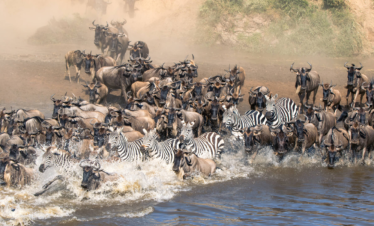
The arrival of the migration in Ndutu is one of nature’s most synchronized events. Driven by the rains, the herds descend upon the plains to take advantage of the fresh, green grass.
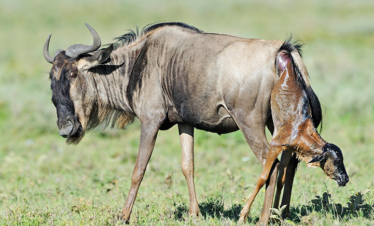
Mass Birthing: At the peak of the season (usually February), an estimated 8,000 wildebeest calves are born every single day. The calves are remarkably resilient, often standing and running within minutes of birth to keep up with the herd.
Predator Paradise: This explosion of life inevitably attracts an incredible density of predators. Ndutu is world-renowned for its sightings of lions, cheetahs, and spotted hyenas. The open plains provide a perfect stage for cheetahs, who use their speed to hunt in the clearings, while the woodlands offer cover for leopards.
The Circle of Life: Visitors often witness the raw drama of nature, from the tender moments of a mother grooming her calf to the high-stakes chases of the great cats. It is an intense, emotional, and visually stunning experience that defines the “Great Migration.”
Beyond the Migration
While the calving season is the headline act, Ndutu offers a rich and varied safari experience throughout the year.
Year-Round Residents: Even when the migration moves north, Ndutu supports a healthy population of resident wildlife. Giraffes, elephants, impalas, and various small mammals like bat-eared foxes and honey badgers are frequently spotted.
Lake Masek and Lake Ndutu: The shorelines of these lakes are excellent for birdwatching. You can see flamingos, spoonbills, and various migratory waders. The woodlands surrounding the lakes are home to Fischer’s lovebirds and several species of hornbills.
Walking Safaris: Because parts of Ndutu fall within the Ngorongoro Conservation Area, it is one of the few places in the northern circuit where guided walking safaris are permitted. Exploring the acacia forests on foot provides a completely different perspective on the ecosystem.
Hidden History and Culture
The Ndutu region is not just a wildlife sanctuary; it is also a place of great historical and cultural depth.
Olduvai Gorge Connection: Ndutu is located just a short distance from Olduvai Gorge, the “Cradle of Mankind.” The same geological forces that created the Ndutu plains also preserved the fossils of our earliest ancestors.
Maasai Heritage: The region is part of the ancestral lands of the Maasai people. You will often see Maasai herders moving their cattle across the plains outside the core wildlife areas, a reminder of the long-standing coexistence between humans and wildlife in this landscape.
Seasonal Timing
The timing of your visit to Ndutu is critical to the experience you will have.
The Calving Peak (January to March): This is the best time to visit for the migration and predator action. The plains are green, the herds are vast, and the air is filled with the sounds of thousands of animals.
The Dry Season (June to October): The migration has moved toward the Central and Northern Serengeti by this time. However, the resident wildlife remains, and the area is much quieter. The lack of crowds and the dramatic, dusty landscapes offer a more peaceful and contemplative safari experience.
The Short Rains (November to December): This is the “waiting game.” As the first rains fall, the herds begin their journey back toward Ndutu. It is a time of anticipation and beautiful, dramatic skies.