- 4

Zanzibar: Spice Island
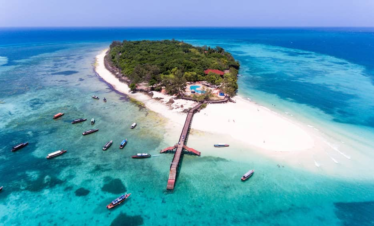
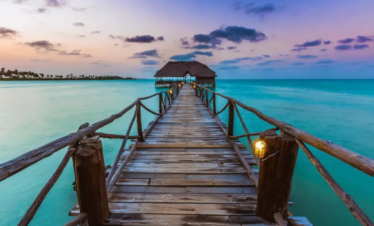
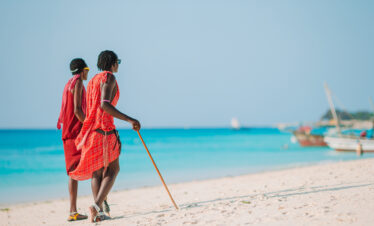
Zanzibar, famously known as the “Spice Island,” is a breathtaking archipelago off the coast of Tanzania that blends white sand paradise with a deep, multicultural history. It consists of two main islands Unguja (commonly referred to as Zanzibar) and Pemba along with dozens of smaller islets scattered across the turquoise waters of the Indian Ocean. For centuries, Zanzibar served as a vital hub for the global spice and ivory trades, resulting in a unique cultural fusion of African, Arab, Indian, and European influences that is visible today in its architecture, cuisine, and the warm hospitality of the Swahili people.
The archipelago’s geography is as diverse as its history. While the coastline is renowned for its world class beaches and coral reefs, the interior is a lush landscape of spice plantations, tropical fruit groves, and indigenous forests. Whether you are navigating the winding alleys of its ancient capital or relaxing on the serene shores of the north, Zanzibar offers a sensory experience defined by the scent of cloves and the gentle rhythm of the tides.
Stone Town: The Cultural Heart
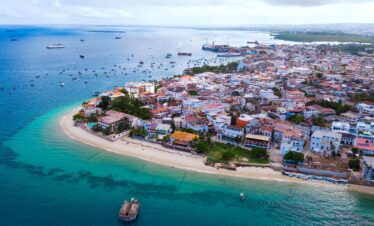
Stone Town is the historic soul of Zanzibar and a UNESCO World Heritage site, recognized for its labyrinthine alleys and remarkable 19th century architecture. Walking through the town is a journey through time, where massive carved wooden doors and coral stone buildings tell stories of sultans, explorers, and traders.
Architectural Landmarks: Home to the House of Wonders, the first building in East Africa with electricity, and the Old Fort, a 17th century fortress that now hosts cultural festivals and local crafts.
Forodhani Gardens Night Market: Every evening, this waterfront park transforms into a vibrant open air food market where you can sample fresh seafood skewers, “Zanzibar pizza,” and sugarcane juice.
The Old Slave Market: A somber but essential site of reflection, where an Anglican Cathedral now stands over the former slave chambers, serving as a memorial to the island’s complex past.
The Pristine Northern Beaches
The northern tip of Unguja is widely considered the island’s premier beach destination, largely because it is less affected by the dramatic tidal shifts seen on the east coast, allowing for swimming all day long.
Nungwi Beach: A lively hub known for its turquoise waters, traditional dhow building yards, and a wide array of beachfront restaurants and bars.
Kendwa Beach: Famous for its wide, sandy shores and vibrant nightlife, including the legendary full moon parties that attract travelers from around the world.
Marine Conservation: Features the Mnarani Marine Turtle Conservation Pond, where you can learn about and see green sea turtles being rehabilitated.
The “Spice Island” Experience
The interior of Zanzibar is home to numerous small, family run farms that have been cultivating spices for generations. A spice tour is one of the most iconic activities on the island, providing a deep look into the crops that shaped the regional economy.
Fragrant Discoveries: Visitors can see, smell, and taste fresh cloves, nutmeg, cinnamon, cardamom, and vanilla directly from the plants.
Traditional Uses: Guides demonstrate how these spices are used not only in local Swahili cuisine but also for traditional medicine and ceremonial dyes like henna.
Tropical Fruits: Most farms also grow a variety of exotic fruits, including jackfruit, durian, and various types of mango and pineapple.
The Remote East and South Coasts
For those seeking a more tranquil or adventurous stay, the eastern and southern regions of the island offer a more rustic and laid back atmosphere.
Paje Beach and Jambiani: These southeast villages are world renowned for kite surfing, thanks to their steady trade winds and shallow lagoons.
Jozani Chwaka Bay National Park: The island’s last remaining indigenous forest and a sanctuary for the rare, endemic red colobus monkey.
Dolphin Watching: The southern village of Kizimkazi is a popular starting point for boat trips into Menai Bay, where pods of bottlenose and humpback dolphins are frequently spotted.
Beyond Unguja: Pemba Island
Pemba Island, located to the north of Unguja, is often called the “Green Island” due to its lush, hilly landscape and fertile soil. It remains much less developed than its southern neighbor, offering a glimpse into a more traditional and secluded way of life.
World Class Diving: The deep waters surrounding Pemba are home to some of the most spectacular coral walls and marine biodiversity in the Indian Ocean.
Ngezi Forest Reserve: One of the last pockets of primary forest in the archipelago, home to the endemic Pemba flying fox (a large fruit bat).
Clove Production: Pemba remains the heart of Zanzibar’s clove industry, and the air is often heavy with the scent of spices drying in the sun.