- 1
- 1
- 8
- 1

Mount Kilimanjaro: The Roof of Africa
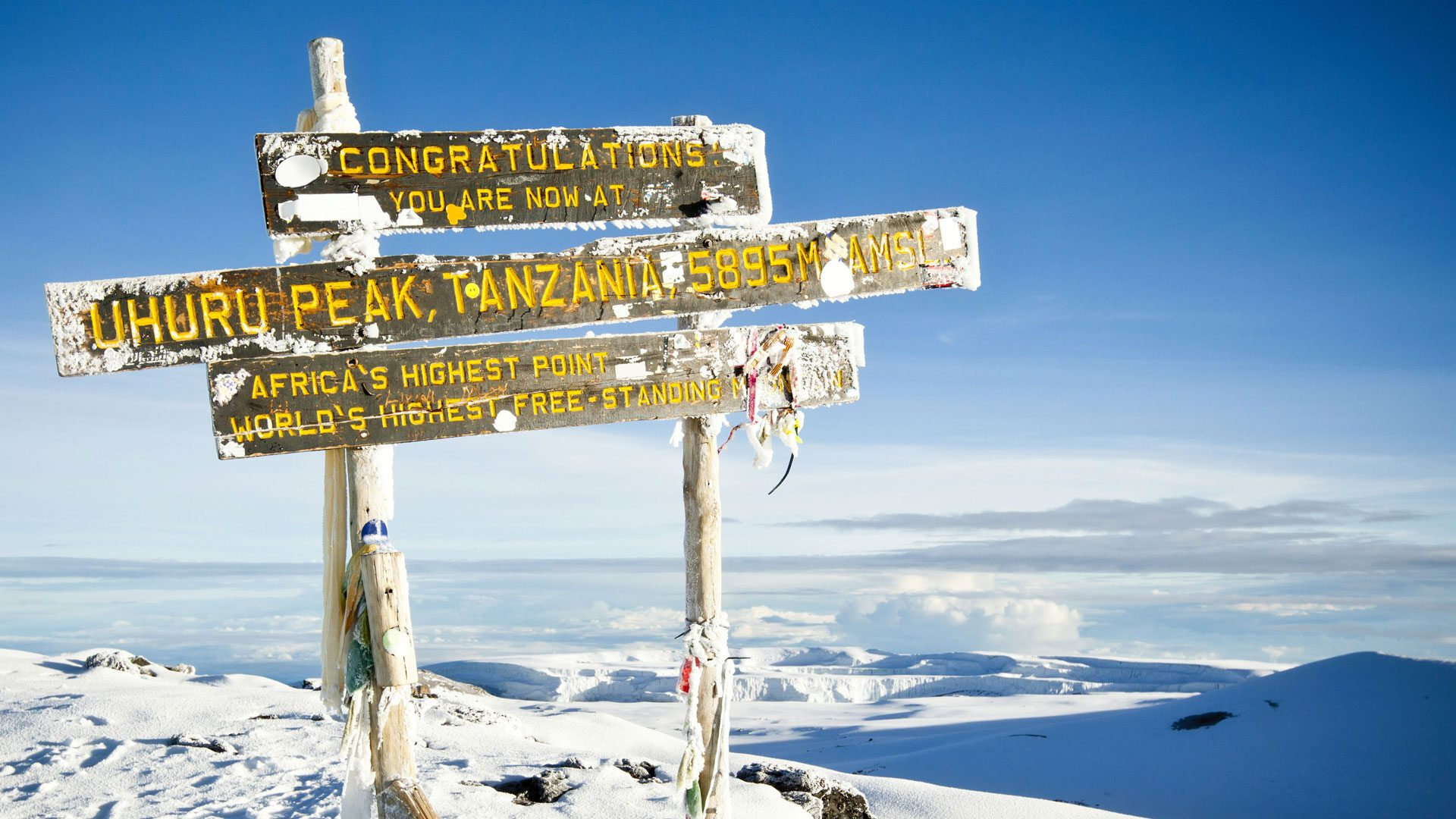
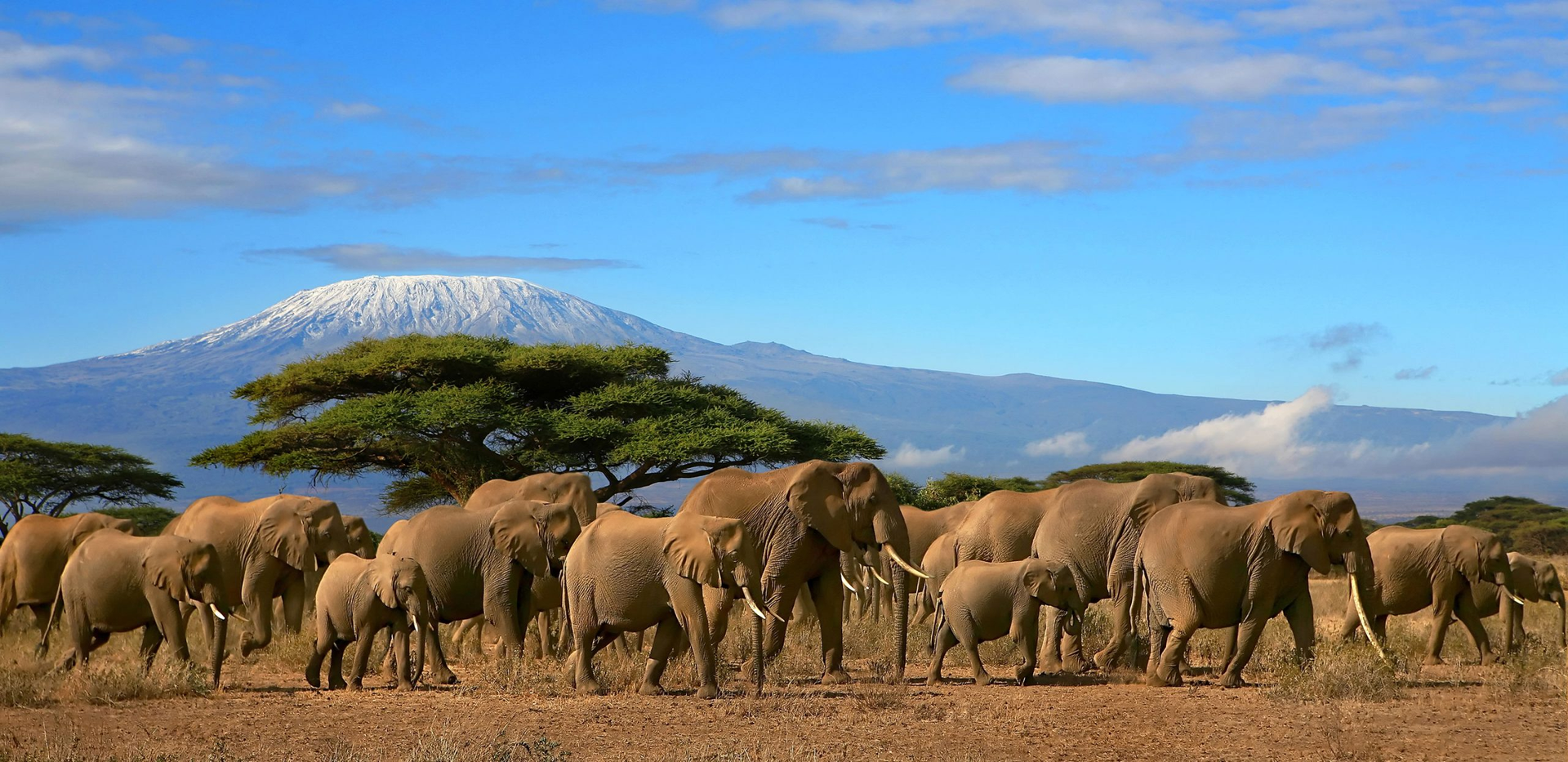
Rising in solitary majesty from the rolling scrublands of northern Tanzania, Mount Kilimanjaro is the highest mountain in Africa and the tallest free standing mountain in the world. Reaching a height of 5,895 meters above sea level at its snowy summit, Uhuru Peak, it is a dormant volcano that has become a global symbol of adventure and endurance. Unlike many other high altitude peaks, Kilimanjaro is a “walk up” mountain, meaning it requires no technical climbing skills or specialized gear like ropes and ice axes, making it accessible to determined hikers from all walks of life.
The mountain consists of three distinct volcanic cones: Shira, Mawenzi, and the highest, Kibo. While Shira and Mawenzi are extinct, Kibo is dormant and could technically erupt again, though its last major activity was over 300,000 years ago. Today, the most striking feature of Kibo is the presence of its retreating glaciers, which have crowned the mountain for centuries and provide a stunning, icy contrast to the tropical plains below.
A Journey Through Five Ecosystems
Climbing Kilimanjaro is often described as walking from the equator to the North Pole in a matter of days. As trekkers ascend, they pass through five distinct ecological zones, each with its own climate, flora, and fauna:
Cultivation Zone (800m – 1,800m): The lower slopes are characterized by high rainfall and fertile volcanic soil. This area is heavily farmed by the local Chaga people, who grow coffee, bananas, and maize.
Rainforest Zone (1,800m – 2,800m): A lush, humid belt of ancient trees draped in moss and ferns. This zone is home to blue monkeys, black and white colobus monkeys, and a vibrant array of birdlife.
Heath and Moorland (2,800m – 4,000m): As the trees thin out, the landscape opens into a surreal world of heather, wildflowers, and the iconic giant groundsels and lobelias, which look like prehistoric plants from another planet.
Alpine Desert (4,000m – 5,000m): This is a harsh, lunar landscape with extreme temperature fluctuations. Vegetation is sparse, and the air becomes noticeably thinner as trekkers reach the base of the high peaks.
Arctic Zone (5,000m+): The final push to the summit is a world of rock, scree, ice, and snow. At the top, the oxygen levels are half of what they are at sea level, and the views of the crater and the surrounding African plains are nothing short of spiritual.
The Routes to the Summit
There are several established trekking routes, each offering a different perspective of the mountain and varying levels of difficulty. The Marangu Route, also known as the “Coca Cola” route, is the oldest and the only one that offers sleeping huts instead of camping. The Machame Route, or the “Whiskey” route, is highly popular for its scenic beauty and its “climb high, sleep low” profile, which aids in acclimatization.
For those seeking a more remote and quieter experience, the Lemosho and Shira routes approach from the west, crossing the vast Shira Plateau. The Rongai Route is the only path that approaches from the north, near the Kenyan border, offering a drier climate and a higher chance of seeing wildlife like elephants and buffalo on the lower slopes.
The Importance of Acclimatization
The greatest challenge of Mount Kilimanjaro is not physical strength, but the body’s ability to adapt to the altitude. Successful summiting is almost entirely dependent on a slow and steady pace known in Swahili as Pole Pole. Choosing a longer itinerary, such as a seven or eight day trek, significantly increases the success rate by allowing the body more time to produce the red blood cells necessary to carry oxygen in the thin air.
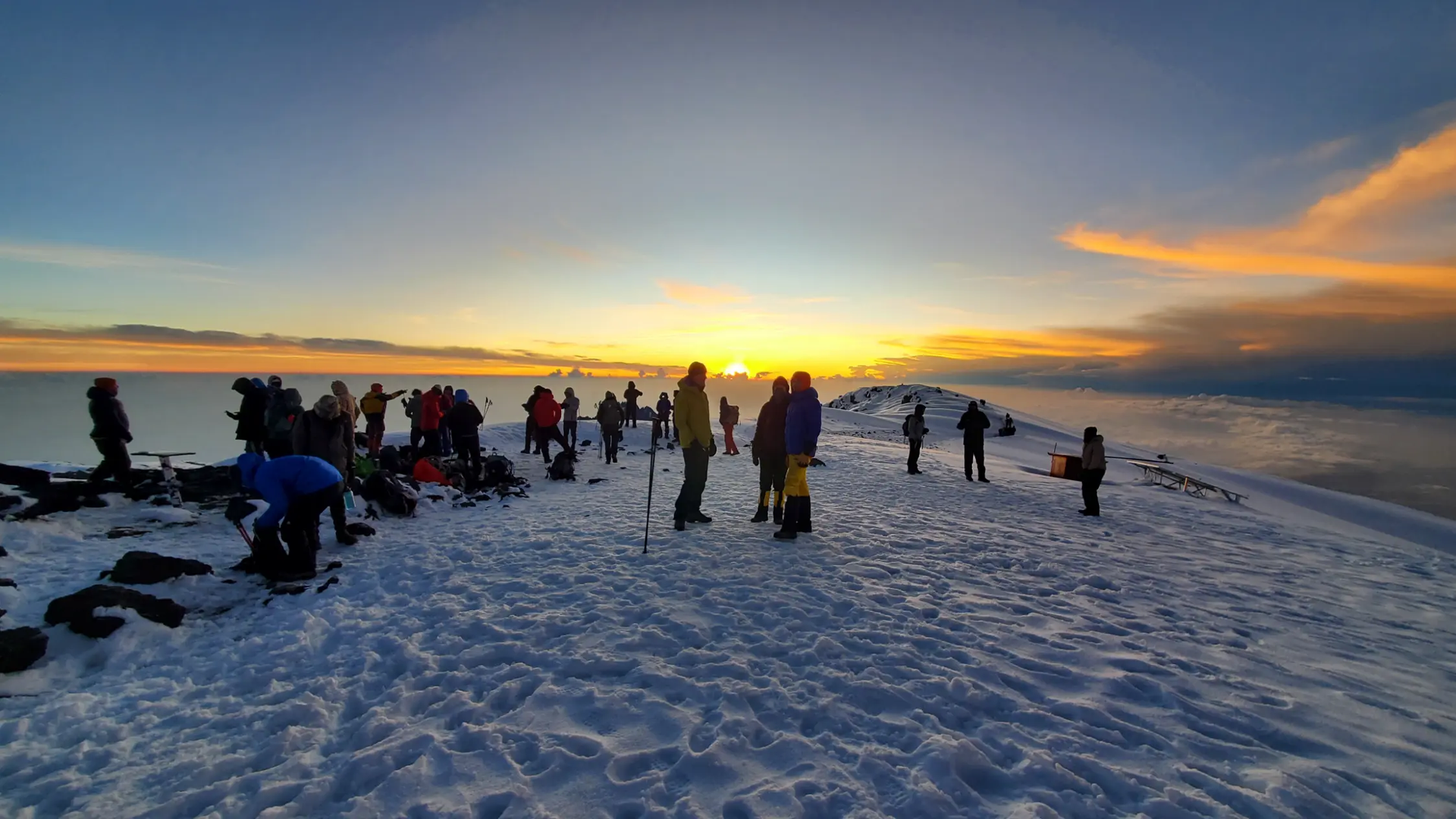
Reaching the summit at sunrise is a transformative experience. As the first light of day hits the glaciers and the clouds below turn into a golden sea, the sense of achievement is profound. It is a place where the earth meets the sky, offering a perspective on the world that few ever get to see.