- 4
- 4
- 16
- 11

Tarangire National Park: The Land of Giants
Tarangire National Park serves as a striking contrast to the vast, open plains of its northern neighbors. Located slightly off the main safari circuit in northern Tanzania, this park is defined by a rugged, prehistoric beauty, dominated by the massive trunks of ancient Baobab trees and the life giving waters of the Tarangire River. While often overshadowed by the Serengeti, Tarangire offers a more intimate and wild atmosphere, characterized by its high concentration of elephants and a landscape that remains lush and green long after the surrounding areas have dried.
The park covers roughly 2,850 square kilometers and is named after the river that snakes through its center. This waterway is the primary reason for the park’s existence; during the dry season, it becomes the only permanent water source in the entire Maasai Steppe. This creates a “mini migration” of its own, as thousands of animals from the surrounding ecosystems converge on the riverbanks, creating some of the highest wildlife densities in Tanzania outside of the Ngorongoro Crater.
The Baobab and the Elephant
The defining visual features of Tarangire are undoubtedly the Baobab trees. These “Trees of Life” can live for over a thousand years, and their thick, silver grey trunks dotted across the ridges give the park a distinct, almost otherworldly silhouette. Complementing these giants are the park’s famous elephant herds. Tarangire is home to one of the largest populations of elephants in East Africa, and it is not uncommon to see herds numbering in the hundreds moving through the tall grasses or congregating at the river to bathe and drink.
The interaction between the elephants and the Baobabs is a central part of the ecosystem’s story. During periods of drought, elephants use their tusks to peel the bark from the Baobabs to reach the moisture stored within the trunks, leaving scars that tell the history of the region’s climate.
Diverse Habitats and Hidden Gems
Beyond the riverbanks, Tarangire is a mosaic of different habitats. To the south lies a series of vast swamps, such as the Silale Swamp, which acts as a giant sponge. These wetlands remain green throughout the year and are a magnet for buffalo, hippos, and an incredible array of birdlife. Over 550 species of birds have been recorded here, making it a premier destination for ornithologists, especially when the swamps are bustling with storks, pelicans, and kingfishers.
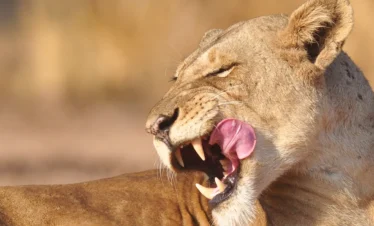
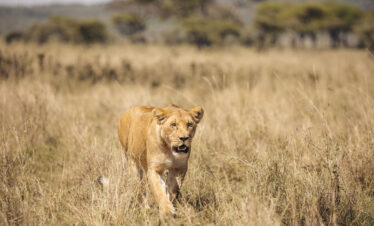
The hilly landscape and dense acacia woodland provide excellent cover for predators. While lions are frequently seen lounging in the shade, Tarangire is also known for its tree climbing pythons and elusive leopards. For those seeking something truly unique, the park is one of the few places in Tanzania where lucky travelers might spot the rare fringe eared oryx or the long necked gerenuk, a gazelle that stands on its hind legs to reach the leaves of thorny bushes.
Seasonal Dynamics
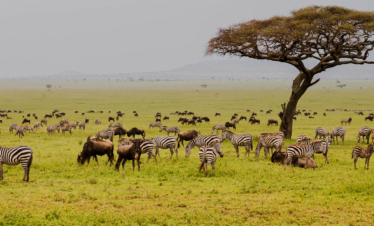
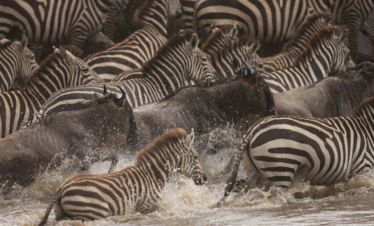
The experience in Tarangire is heavily dictated by the water. During the dry season (July to October), the park is at its most spectacular. As the smaller water holes in the surrounding bush disappear, animals are forced toward the Tarangire River. The sheer volume of wildlife, zebras, wildebeest, giraffes, and eland gathered along the riverbed creates a high intensity viewing experience that rivals any other park in Africa.
In the wet season (November to May), the park transforms. The resident animals disperse into the wider Maasai Steppe as water becomes plentiful elsewhere, and the vegetation grows thick and vibrant. While game viewing requires more patience during this time, the park becomes a quiet, lush sanctuary. The landscape is arguably at its most beautiful, the birding is at its peak, and the sense of solitude provides a peaceful, private safari experience that is hard to find elsewhere.