- 6
- 4
- 18
- 3

Ngorongoro Crater: The Garden of Eden
The Ngorongoro Crater is a breathtaking natural wonder, often referred to as the “eighth wonder of the world.” Formed two to three million years ago when a massive volcano exploded and collapsed on itself, it is the largest intact, inactive, and unfilled caldera on Earth. This geological masterpiece creates a natural amphitheater roughly 600 meters deep, covering over 260 square kilometers. The result is a self contained ecosystem that supports an incredible density of wildlife, providing a sanctuary where animals remain year round due to the permanent availability of water and grazing land.
Descending the steep crater walls is like entering a lost world. The floor of the caldera is a diverse tapestry of environments, ranging from the shimmering alkaline waters of Lake Magadi to the dense, leafy canopy of the Lerai Forest. This concentrated landscape allows for an unparalleled game viewing experience, where it is possible to see the “Big Five” within a single day.
A Sanctuary for Rare Species
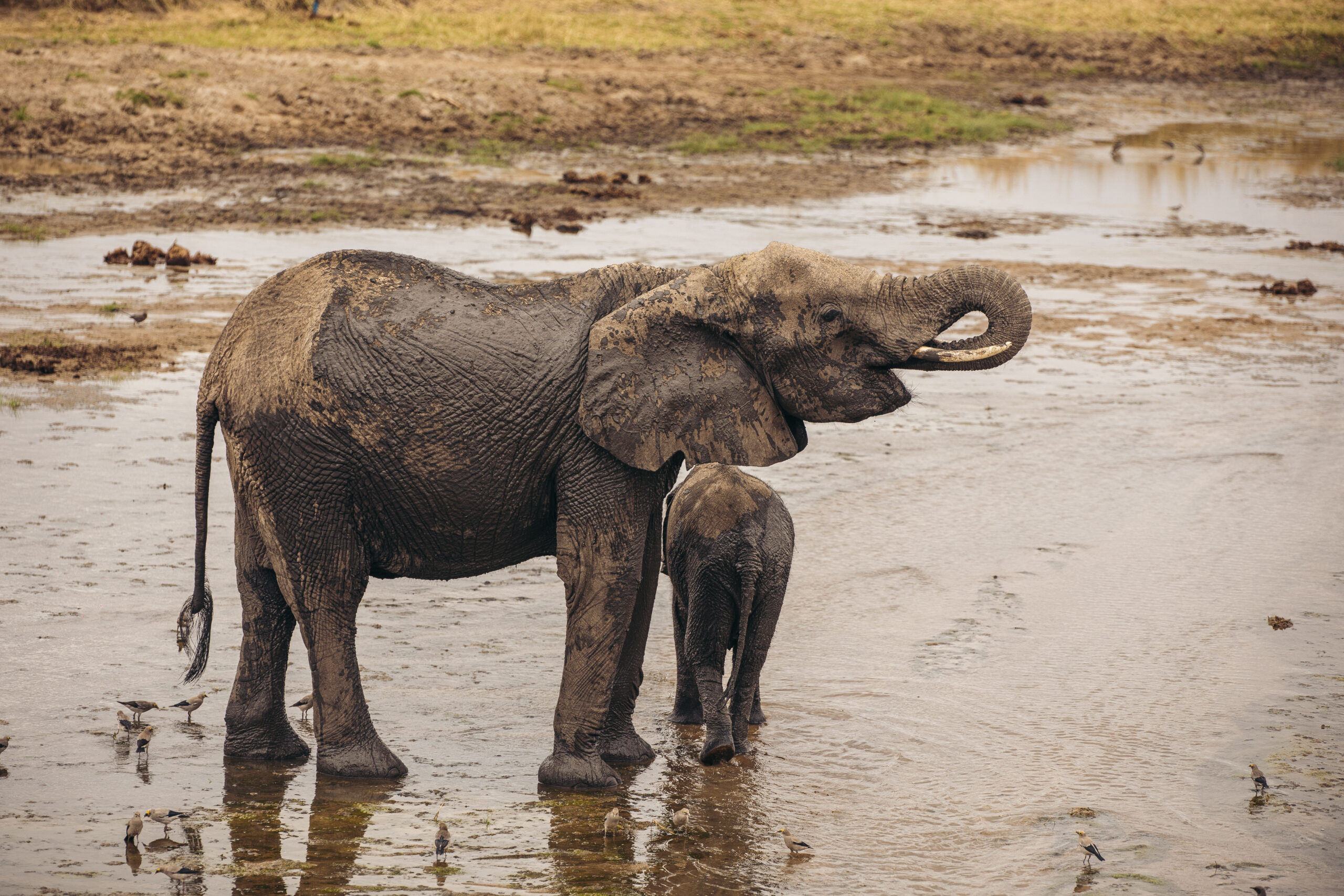
The Ngorongoro Crater is one of the most reliable places in East Africa to see the highly endangered black rhinoceros. These prehistoric looking creatures are protected by the natural fortress of the crater walls and are often seen grazing on the open plains or retreating into the shadows of the fever tree forests. The crater is also home to some of Africa’s largest “tusker” elephants, massive bulls whose ivory often reaches the ground, finding a peaceful retirement in the swamps and marshes of the crater floor.
The predator prey dynamics here are intense. The open grasslands support thousands of plains game, including blue wildebeest, Burchell’s zebra, and Grant’s gazelle. This abundance supports one of the highest concentrations of lions in the world. These resident prides are often seen stalking through the tall grass or resting near the road, seemingly indifferent to the presence of safari vehicles. Spotted hyenas, jackals, and occasionally even serval cats round out the predator population, making every drive an opportunity to witness the raw cycle of life.
Beyond the Crater Floor
While the caldera itself is the primary draw, the wider Ngorongoro Conservation Area is a pioneering experiment in multi use land management. Unlike a traditional national park, the conservation area is a place where wildlife and humans coexist. The Maasai people, distinguished by their vibrant red shukas, have lived in this region for generations, grazing their cattle alongside zebras and giraffes. Visitors often see Maasai herders guiding their livestock down the crater slopes to reach water, a striking reminder of the ancient relationship between humanity and nature.
The Highland region surrounding the crater offers a dramatic change in scenery and climate. The air is cool and crisp, often shrouded in morning mist. The lush montane forests are home to leopards, buffalo, and a variety of colorful birds, such as the Schalow’s turaco. For those looking to explore further, the nearby Empakaai Crater offers a more secluded hiking experience, with a deep soda lake and steep, forested walls that can only be reached on foot.
The Seasonal Experience
The Ngorongoro Crater offers world class wildlife viewing regardless of the time of year. During the dry season (June to October), the grass is short and gold, making it exceptionally easy to spot predators and rhinos across the open plains. This is also the busiest time of year, as travelers flock to witness the high density of animals gathered around the permanent water sources.
The wet season (November to May) brings a different kind of beauty. The crater floor is transformed into a sea of wildflowers and vibrant green grass. Birdwatching is exceptional during these months, as Lake Magadi fills with thousands of flamingos, painting the shoreline pink. The clouds frequently hang low over the crater rim, creating a dramatic and moody atmosphere that provides a stunning backdrop for photography.